

Writing product roundups, collecting Amazon product details, creating thumbnails, formatting WordPress posts, adding affiliate buttons, publishing content, and promoting every article on Pinterest can easily turn one post into a three-to-five-hour job. That workload is why many beginners quit before their niche site has enough content to rank, attract clicks, or produce useful data.
Affiliate Autopilot AI Funnel matters because affiliate marketing in 2026 is no longer just about writing occasional reviews. The winning operators are building repeatable content systems. They are using AI to speed up drafting, automation to publish consistently, and visual discovery channels like Pinterest to get early traffic while Google rankings mature.
This review looks at Affiliate Autopilot AI Funnel as a workflow system, not just another AI writer. The key question is not “Can it generate articles?” The better question is: Can it reduce enough manual work to make Amazon affiliate publishing more consistent, scalable, and realistic for solo marketers?
If you already know you want to explore the product, you can check the Affiliate Autopilot AI Funnel access page here. If you are still comparing options, read the full analysis below before deciding.
Quick Verdict: Is Affiliate Autopilot AI Funnel Worth It?
Affiliate Autopilot AI Funnel is best for affiliate marketers who want an end-to-end content workflow for Amazon product articles, WordPress publishing, Pinterest promotion, and simple spreadsheet-based control. It is especially useful for niche site builders who understand that publishing consistency is often more important than obsessing over one perfect article.
| Best for | Amazon affiliates, niche bloggers, Pinterest marketers, side hustlers, agencies, and WordPress site owners |
| Not ideal for | People expecting guaranteed passive income, fully hands-off SEO rankings, or custom editorial-quality reviews without human oversight |
| Pricing positioning | Positioned as a one-time front-end offer rather than a traditional monthly SaaS subscription |
| Ease of use | Beginner-friendly after setup, though integrations require attention |
| Overall recommendation | Worth considering if your main bottleneck is producing and publishing affiliate content consistently |
My practical verdict: Affiliate Autopilot AI Funnel is not a magic income button. It is better viewed as a content operations assistant for Amazon affiliate sites. The ROI makes sense when you already have, or are willing to build, a niche content strategy and need help turning product data into published assets faster.
What Is Affiliate Autopilot AI Funnel?
Affiliate Autopilot AI Funnel is an AI-powered affiliate content automation system that turns Amazon product data into complete affiliate blog posts. The system uses Google Sheets as a control panel, AI for article creation and thumbnail generation, WordPress automation for publishing, Pinterest automation for distribution, and Telegram notifications for completion alerts.
In simple terms, you add product information, choose or organize your niche topic, and the system creates a formatted product roundup article. It can include an SEO title, introduction, product sections, pros and cons, buying guide, FAQ section, affiliate call-to-action buttons, featured image, meta description, and conclusion.
The core value proposition is workflow compression. Instead of manually moving through research, writing, formatting, publishing, and promotion, Affiliate Autopilot AI Funnel connects those steps into one repeatable process. That matters because most affiliate sites do not fail from lack of ideas; they fail from inconsistent execution.
Key Features and Why They Matter
Google Sheets as a Control Panel
The Google Sheets-based workflow is one of the more practical design choices. Many beginner tools try to create a full dashboard, but spreadsheets are often easier for affiliate operators because product lists, niches, URLs, categories, and publishing status naturally belong in rows and columns.
In practical workflows, this means you can plan batches of posts, organize products by topic, review what has been processed, and maintain a simple content queue without learning a complex SaaS interface. For agencies managing multiple clients or niche sites, spreadsheet control also makes delegation easier.
AI SEO Article Writing
The AI writing engine generates titles, intros, product descriptions, buying guides, FAQs, pros and cons, CTAs, and conclusions. The business value is not merely “AI writes text.” The real value is that it creates the standard components affiliate posts need to be publishable and conversion-aware.
This is particularly useful for roundup-style content such as “Best Camping Gear Picks,” “Best Cat Water Fountains,” or “Top Kitchen Gadgets.” These articles rely on structure, clarity, comparison points, and buyer intent more than literary originality. AI can handle much of that first-draft workload if the user still reviews for accuracy and usefulness.
Auto WordPress Publishing
Manual WordPress formatting is one of the most underestimated time drains in affiliate publishing. Adding headings, images, buttons, product blocks, disclaimers, categories, featured images, and meta fields can take longer than expected.
Affiliate Autopilot AI Funnel’s WordPress publishing automation helps turn content creation into actual content deployment. This matters because unpublished drafts do not rank, earn, or collect performance data. The tool is strongest when used by someone who values publishing velocity and consistent site growth.
Pinterest Pin Automation
Pinterest is often overlooked by affiliate beginners because it requires consistent posting. Yet product-focused niches such as home decor, pets, beauty, kitchen, fitness, outdoor gear, baby products, and luxury finds can perform well visually.
The Pinterest automation posts product images with optimized descriptions and links back to blog posts. This creates a secondary traffic pathway instead of relying only on Google. It will not guarantee viral traffic, but it can help build a distribution habit that most manual bloggers abandon after the first week.
AI Thumbnail Generation
Thumbnails affect click-through rate, especially when content is shared socially or displayed in blog grids. Affiliate Autopilot AI Funnel includes AI-generated blog thumbnails based on the article topic and style.
The hidden benefit is consistency. A niche site with visually coherent thumbnails appears more professional, and professional presentation can increase trust before a reader even clicks an affiliate button.
Product Grouping by Topic
The system groups products with the same topic into one comprehensive list-style article. This is useful because searchers usually want options, not one isolated product. A grouped article can target broader buyer-intent queries and keep users engaged longer.
For example, instead of publishing eight thin posts on individual camping items, you can create one better roundup such as “8 Best Camping Gear Picks for 2026.” That structure is usually more helpful for comparison shopping and more efficient for content planning.
Done Sheet Processing and Telegram Notifications
Moving completed products to a Done sheet may sound minor, but it solves an operations problem. When you are publishing in batches, confusion around what has been processed can lead to duplicated posts, missed products, or broken workflows.
Telegram notifications add a lightweight monitoring layer. You know when a post is live without checking WordPress constantly. For automation workflows, status visibility is essential because silent failures can damage trust in the system.
Real Use Cases for Affiliate Autopilot AI Funnel
For Marketers
Marketers can use Affiliate Autopilot AI Funnel to build supporting content around paid campaigns, email funnels, or seasonal promotions. For example, a marketer promoting outdoor products before summer could generate roundup posts around camping tents, portable grills, hiking accessories, and solar chargers.
For Creators
Creators with audiences on YouTube, TikTok, Instagram, or newsletters can use the tool to create companion blog posts for products they already mention. Instead of sending followers directly to Amazon every time, they can send traffic to a structured article that contains multiple affiliate opportunities.
For Freelancers
Freelancers can use the workflow to offer product roundup creation as a service. The value is not simply delivering AI text; it is delivering published, formatted, monetized content. A freelancer who can manage WordPress posting, Pinterest pins, and affiliate structure has a more valuable offer than a basic AI writer.
For Agencies
For agencies managing multiple affiliate or content clients, Affiliate Autopilot AI Funnel can standardize production. A junior team member can update product sheets, while the system handles article assembly and publishing. The agency still needs editorial review, but the operational burden is reduced.
For Ecommerce Businesses
Ecommerce businesses can use this style of content to create comparison and buying guide articles that support related product categories. While the product is designed around Amazon affiliate workflows, the content logic can inspire broader product education strategies.
For Local Businesses
Local businesses with blog audiences can use affiliate content as a supplementary revenue stream. For example, a local fitness studio might publish gear guides for resistance bands, yoga mats, recovery tools, or home workout accessories. This should not replace the core local offer, but it can add useful educational content and potential commissions.
For Automation Workflows
Automation users can connect product sourcing, content production, publishing, visual distribution, and notifications into a repeatable pipeline. This works especially well when combined with a content calendar and human review checklist.
Benefits Analysis: Outcomes Instead of Feature Hype
The biggest benefit of Affiliate Autopilot AI Funnel is time compression. If a manual product roundup takes three to five hours, reducing that workflow to a few minutes of setup and review can dramatically increase publishing capacity.
The second benefit is consistency. Affiliate marketing rewards accumulated assets. One article may not change your business, but 50 well-structured articles across a focused niche can create search visibility, Pinterest discovery, internal linking opportunities, and conversion data.
The third benefit is lower creative friction. Many beginners procrastinate because they dislike blank-page writing. A structured AI workflow gives them a starting point, which can be edited, improved, and published faster.
The fourth benefit is distribution. Most AI writers stop at content generation. Affiliate Autopilot AI Funnel becomes more valuable because it considers what happens after the article is written: WordPress publishing, thumbnail creation, Pinterest posting, tracking, and notifications.
If your current affiliate workflow is slow or inconsistent, it is worth reviewing the live offer and setup details here: explore Affiliate Autopilot AI Funnel.
What Most Reviews Don’t Tell You About Affiliate Autopilot AI Funnel
Most basic reviews focus on the “AI writes articles” angle. That misses the more important point: this product is really about building a publishing pipeline. In 2026, the competitive advantage is not just generating content. Everyone has access to AI text. The advantage is connecting research, drafting, formatting, publishing, and promotion into a repeatable system.
The hidden strength is that Google Sheets makes the tool less intimidating and more operational. You can see the queue, spot gaps, group products, and track completion. This is not glamorous, but it is exactly how real content operations work.
The overlooked weakness is that automation can multiply poor strategy. If you choose random products, weak niches, bad keywords, or low-commission items, the system can help you publish faster but not necessarily profitably. The tool increases execution speed; it does not replace market judgment.
Another practical observation: AI-generated affiliate content should be treated as a first draft, not final truth. Product details, prices, availability, claims, and Amazon compliance requirements should be checked. The best users will add personal commentary, comparison notes, and buyer-specific advice before or after publishing.
This tool works especially well for “structured helpfulness.” Product roundups, buying guides, pros and cons, FAQs, and category explainers are predictable formats where AI can produce usable drafts. It is less ideal for deeply experiential reviews that require hands-on testing, original photography, or long-term product usage.
Who Affiliate Autopilot AI Funnel Is Best For
- Amazon affiliates who need to publish more product-focused content without writing every article manually.
- Niche site builders who want a repeatable system for building topical coverage.
- Pinterest marketers who understand that visual product discovery can support affiliate traffic.
- Side hustlers who have limited time but want a structured affiliate content workflow.
- WordPress site owners who want publishing automation instead of manually formatting every post.
- Agencies and freelancers who can package automated affiliate content production as a client service.
- AI automation users who prefer connected workflows over standalone AI writing tools.
Affiliate Autopilot AI Funnel is particularly useful for users who already accept that affiliate marketing is a content asset business. It helps most when you are willing to publish consistently, review outputs, improve site structure, and track what earns clicks.
Who Should Avoid Affiliate Autopilot AI Funnel?
You should avoid Affiliate Autopilot AI Funnel if you expect instant commissions without traffic, niche selection, content review, or patience. Automation can accelerate publishing, but it cannot force people to click, rank your site overnight, or guarantee Amazon conversions.
It is also not ideal for users who want fully custom, deeply researched, hands-on product reviews. If your brand depends on original testing, detailed photography, lab comparisons, or expert field experience, you will still need a human-led editorial process.
Most beginners will struggle if they skip setup documentation or do not understand the basics of WordPress, affiliate disclosures, Pinterest accounts, and Amazon Associates rules. The front end is designed to be easy, but connected automation still requires careful initial configuration.
Honest Limitations
The biggest limitation is quality control. AI can produce structured content quickly, but it may still create generic phrasing, weak comparisons, or unsupported claims if not reviewed. For competitive niches, editing and adding original insight will make a major difference.
A second limitation is dependency on integrations. WordPress publishing, Pinterest posting, Google Sheets management, AI generation, and Telegram notifications all need to work properly. If one part of the workflow changes or disconnects, users may need support or troubleshooting.
A third limitation is niche competitiveness. Publishing automated articles in very crowded categories like laptops, skincare, or fitness equipment may not be enough unless you build topical authority, internal links, unique angles, and off-page signals.
Support quality is also important to monitor. Products sold through launch platforms can vary in documentation depth and response speed. Buyers should review the sales page, setup instructions, and support access before relying on it for mission-critical client work.
Scalability is promising, but not unlimited. More websites and more posts create more need for editorial standards, link checking, affiliate compliance, category planning, and performance tracking. Automation reduces labor; it does not remove operational responsibility.
Affiliate Autopilot AI Funnel vs Generic AI Writers
| Category | Generic AI Writers | Affiliate Autopilot AI Funnel |
|---|---|---|
| Positioning | Text generation tools | Affiliate content workflow automation |
| Target audience | General writers, marketers, researchers | Amazon affiliates, bloggers, niche site builders |
| Workflow suitability | Requires copy, paste, formatting, and publishing | Connects product data, article creation, WordPress, Pinterest, and notifications |
| Pricing logic | Often monthly subscriptions | Presented as a one-time offer for the front-end system |
| Implementation difference | Flexible but manual | More specialized but more automated |
The comparison is straightforward: ChatGPT and similar tools can help you write, brainstorm, or edit. Affiliate Autopilot AI Funnel is designed to connect the operational pieces around affiliate publishing. If you only need occasional copy, a generic AI tool may be enough. If you want a repeatable Amazon affiliate content machine, Affiliate Autopilot AI Funnel is more workflow-specific.
For readers comparing broader AI content systems, you may also find the Contentryte review useful because it looks at AI blogging from a different workflow angle.
ROI and Business Impact
The ROI of Affiliate Autopilot AI Funnel depends on how much your time is worth and how consistently you use the system. If one article normally takes four hours and the tool reduces the operational workload to a short setup-and-review process, the time savings compound quickly over dozens of posts.
For example, publishing 30 manual roundup posts could require 90 to 150 hours. With automation, much of that time can shift from formatting and repetitive writing into higher-value work: niche research, keyword selection, product evaluation, internal linking, conversion testing, and content refreshes.
The revenue opportunity comes from building content assets that can earn clicks and commissions over time. One article may produce little. A focused cluster of articles around buyer-intent topics has a better chance of attracting traffic, generating affiliate clicks, and revealing which categories deserve more attention.
This becomes valuable if you treat the tool as a production engine inside a real strategy. Choose niches with buyer demand, manageable competition, visual appeal, and products with reasonable price points. Then use automation to publish consistently enough to test the market.
AI and Automation Compatibility
Affiliate Autopilot AI Funnel fits current AI trends because it moves beyond isolated prompt-based writing. The market is shifting toward connected AI workflows where content generation, publishing, promotion, and notifications happen in sequence.
In ChatGPT workflows, you can use ChatGPT to refine niche angles, build editorial guidelines, create product selection criteria, or improve article intros before adding data into the system. The tool can then handle the repetitive publishing flow.
For agency systems, the spreadsheet workflow can become a lightweight production queue. One person sources products, another reviews final articles, and the automation handles formatting and publication. This is far more scalable than asking every team member to manually build posts inside WordPress.
For creator workflows, Affiliate Autopilot AI Funnel can support monetization beyond social platforms. A creator can turn product recommendations into searchable blog assets and Pinterest pins, creating a longer-lasting content base than a single social post.
For lead generation systems, the same publishing logic can support list building. Affiliate articles can include newsletter CTAs, comparison guides, or downloadable buying checklists. This allows a niche site to capture value beyond one Amazon click.
If you are interested in how AI visibility and content distribution are evolving, the AI Visibility System review provides useful context on authority signals and AI-search discovery.
Demo and Access
The official access page includes the current offer details, templates, bonuses, setup information, and product demonstration material. Because launch pricing and availability can change, it is best to verify the latest details directly before buying.
Pros and Cons
Pros
- Designed specifically for Amazon affiliate content workflows.
- Combines AI writing, WordPress publishing, Pinterest posting, thumbnails, and notifications.
- Google Sheets control panel keeps the workflow simple and visible.
- Supports many niches, including pets, kitchen, fitness, camping, beauty, home decor, and tech.
- Useful for building product roundup articles at scale.
- Can save significant time compared with manual writing and formatting.
- Pinterest automation adds a traffic channel many affiliate bloggers ignore.
- Includes templates, setup instructions, niche ideas, topic ideas, and training bonuses.
Cons
- Still requires niche strategy, product selection, and editorial review.
- AI-generated content can be generic if users do not improve it.
- Integrations may require careful setup and occasional troubleshooting.
- Not a substitute for hands-on product testing or expert-level reviews.
- Results depend on traffic, competition, affiliate commissions, and publishing consistency.
- Users must remain compliant with Amazon Associates rules and disclosure requirements.
Bonuses and What They Add
The listed bonuses include 50 profitable niche ideas, a Pinterest Traffic Starter Guide, SEO article topic ideas, a premium Amazon product directory, a blog structure guide, and a setup course. These are useful because beginners often struggle more with direction than software access.
The niche ideas can shorten research time, while the Pinterest guide supports distribution. The blog structure guide is particularly relevant because affiliate content needs more than product blurbs. It needs a logical buying journey: problem, options, comparison points, decision criteria, and CTA placement.
Affiliate Autopilot AI Funnel Pricing Positioning
The front-end offer is positioned as a limited-time one-time price rather than a standard monthly subscription. That pricing logic may appeal to beginners who are cautious about adding another recurring SaaS bill before their affiliate site earns revenue.
However, buyers should check the official page for current pricing, available upgrades, usage limits, and any requirements related to third-party services. Automation tools can sometimes depend on external APIs or accounts, so it is wise to understand the full setup before committing.
To review the latest pricing and included components, visit the official offer page here: see Affiliate Autopilot AI Funnel pricing and access.
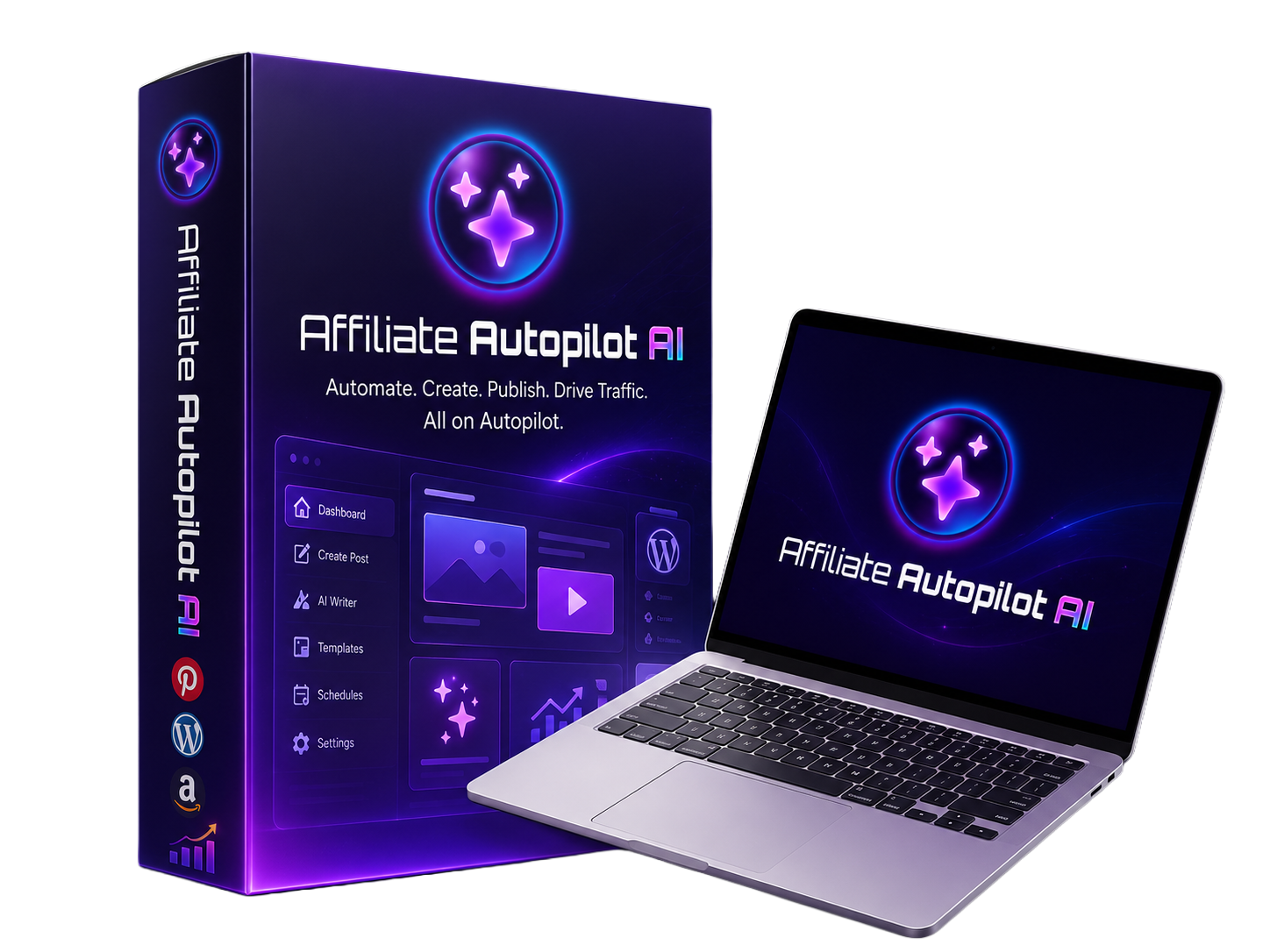
Final Verdict: Should You Buy Affiliate Autopilot AI Funnel?
Affiliate Autopilot AI Funnel is a strong fit if your biggest obstacle is the manual grind of affiliate content production. It addresses the most repetitive parts of the workflow: turning product data into articles, formatting content, publishing to WordPress, creating thumbnails, posting to Pinterest, and tracking completion.
The recommendation is nuanced. Buy it if you want a practical automation system and are willing to combine it with smart niche selection, human review, compliance, and consistent publishing. Avoid it if you are looking for guaranteed passive income or fully original hands-on reviews without doing any strategic work.
For solo affiliates, the main benefit is leverage. For agencies, the main benefit is repeatable production. For creators, the main benefit is turning recommendations into durable blog assets. For beginners, the main benefit is removing enough friction to stay consistent long enough to learn what works.
If that matches your workflow goals, Affiliate Autopilot AI Funnel is worth a closer look. You can visit the official Affiliate Autopilot AI Funnel page here to review the current offer, bonuses, and setup details.
Frequently Asked Questions
What is Affiliate Autopilot AI Funnel?
Affiliate Autopilot AI Funnel is an AI-powered affiliate content automation system that helps turn Amazon product data into formatted WordPress blog posts, thumbnails, Pinterest pins, and organized publishing workflows.
Does Affiliate Autopilot AI Funnel work for any niche?
Yes, it is designed to work across many niches, including tech, pets, kitchen, camping, beauty, fitness, home decor, outdoor gear, baby products, and luxury items. The best results usually come from focused niches with buyer intent and visual product appeal.
Do I need writing skills to use it?
No advanced writing skills are required because the AI creates the article structure and draft content. However, users who review, edit, and add original insights will usually produce better content than users who publish everything untouched.
Does it publish directly to WordPress?
Yes, one of the major selling points is automatic WordPress publishing with formatting, categories, featured images, SEO metadata, and affiliate links included when the workflow is configured correctly.
Can it post to Pinterest automatically?
Yes. The system includes Pinterest pin automation that posts product images with optimized descriptions and links back to your blog posts. This can help create a consistent visual discovery channel for affiliate content.
Is Affiliate Autopilot AI Funnel better than ChatGPT?
It depends on the job. ChatGPT is more flexible for brainstorming, editing, and custom writing. Affiliate Autopilot AI Funnel is more specialized because it connects article generation with WordPress publishing, Pinterest automation, product tracking, and notifications.
Can beginners use Affiliate Autopilot AI Funnel?
Yes, the system is designed to be beginner-friendly with templates and setup documentation. Still, beginners should expect to learn basic affiliate marketing, WordPress setup, Pinterest account management, and Amazon Associates compliance.
Will Affiliate Autopilot AI Funnel guarantee commissions?
No tool can guarantee affiliate commissions. Earnings depend on niche demand, traffic, rankings, Pinterest reach, product selection, content quality, commission rates, and conversion behavior. The tool helps with production and promotion, not guaranteed outcomes.
What should I check before buying?
Before buying, check the current price, included features, usage limits, setup requirements, support terms, refund policy, and whether any third-party accounts or integrations are needed for your intended workflow.